

Provide specialist dietetics advice for patients with health conditions where diet is paramount e.g. food allergies, coeliac disease, gastrointestinal disorders, advanced diabetes etc, and support you as a patient to maintain healthy weight to help you manage your health conditions.
Click on the images to view them fullscreen:

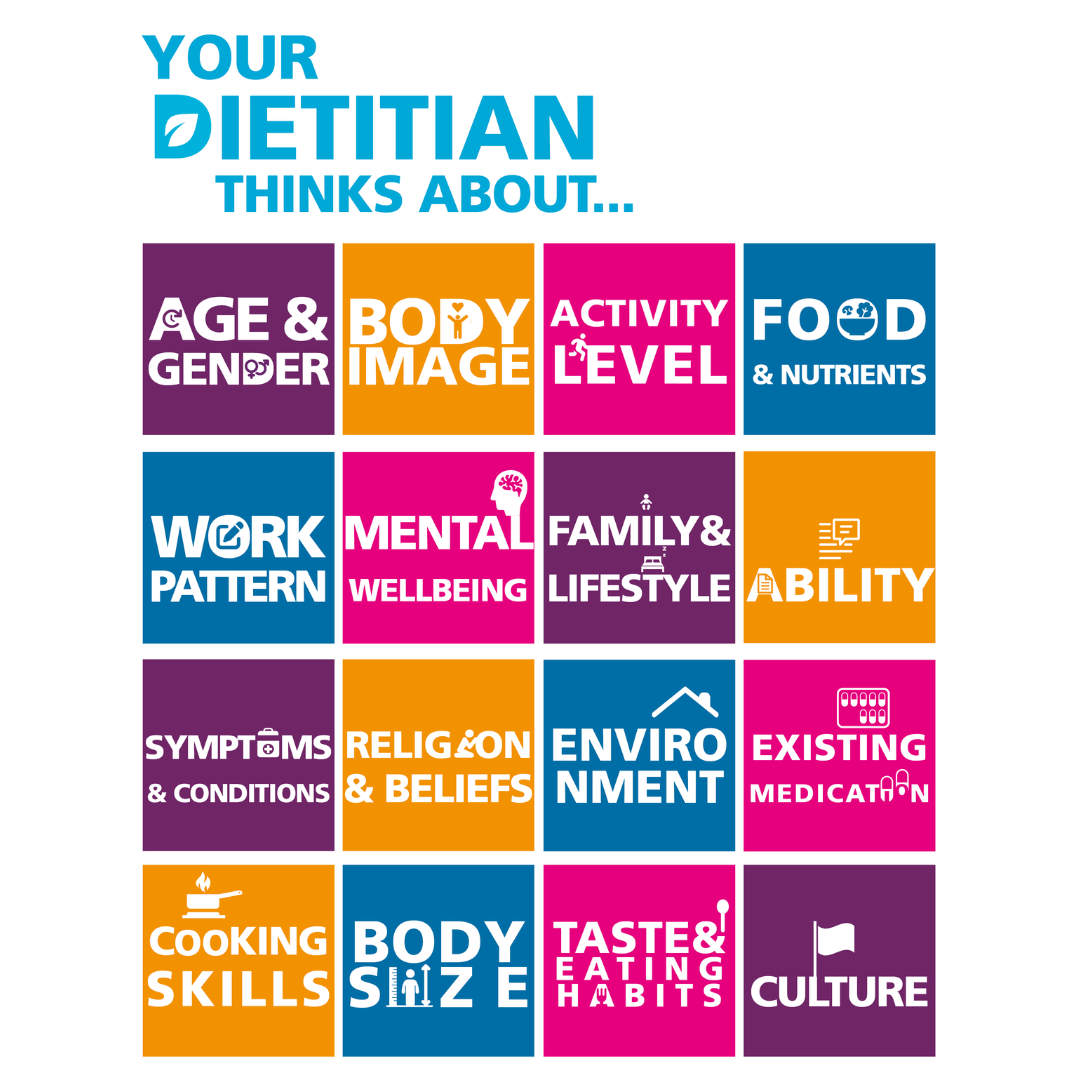
What Dietitians do in Primary Care Settings
Addressing Frailty and Malnutrition
Dietitians play a crucial role in mitigating frailty and its associated risks by tackling malnutrition. By ensuring that individuals at risk receive suitable dietary interventions, dietitians in primary care can significantly contribute to preventing frailty and malnutrition through early detection. Following dietetic intervention, patients showed improvements in various outcomes, including weight, BMI, and handgrip strength.
**Objectives:**
– Prompt diagnosis
– Optimize nutritional management
– Decrease GP consultations
– Lower referrals to secondary care
– Implement cost-saving measures across the Primary Care Network (PCN)
Supporting People with Diabetes
In primary care, dietitians are essential for managing pre-diabetes and diabetes. They help enhance diabetes control, achieve weight and waist circumference reduction, and improve diet quality. Dietitians provide early support and continuous dietary management to maintain glycaemic control and minimize long-term complications. Their expertise is pivotal in meeting the quality outcomes framework for diabetes care.
**Objectives:**
– Prevent or delay the onset of diabetes
– Reduce long-term complications
– Support weight loss and enhance the quality of life for individuals with overweight or obesity
Assisting Individuals with Overweight or Obesity
Dietitians offer various weight management strategies to help patients reduce weight, manage comorbidities related to overweight or obesity, and improve their quality of life. Their knowledge can be disseminated across the multi-professional team to elevate the overall quality of care. They also support the requirements of the Enhanced Service Specification for weight management.
In England, over 60% of the population is overweight or obese, and more than 3 million people have diabetes, with 90% having type 2 diabetes.
Gastroenterology
Dietitians are adept at managing numerous nutrition and dietetic conditions, including IBS, and they assist with accurately identifying and diagnosing suspected food allergies and intolerances. Dietitians have reduced symptoms for 70% of IBS patients and improved the quality of life for 74% of patients.
**Objectives:**
– Substantial reduction in GP visits
– Early diagnosis and treatment of conditions
– Enhanced patient quality of life
Paediatrics
Dietitians support children with various nutrition and dietetic-related conditions, such as faltering growth, constipation, obesity, food allergies and intolerances, food avoidance, and fussy eating, as well as nutrient deficiencies like iron deficiency. They also provide expert advice and education to parents and the multi-professional team.
**Objectives:**
– Accelerate treatment
– Aid early identification of food allergies and intolerances
– Reduce misdiagnosis and delayed diagnosis
– Enhance patient care and outcomes
– Reduce GP visits
– Achieve cost savings through appropriate prescribing of infant formula and specialized feeds
– Guide appropriate ongoing management